The best treatment for acne scars depends on the type of scar, its severity and your skin condition.
Different types of acne scars, including rolling scars, boxcar scars and ice pick scars, respond differently to treatment. Professional treatments such as RF Skin Resurfacing, RF Needling, Skin Needling and chemical peels can help improve the appearance of acne scars by supporting collagen renewal, skin remodelling and overall skin texture. A professional skin assessment is the best way to determine the most suitable treatment plan for your skin.
Key Takeaways
- The best treatment for acne scars depends on the type of scar and your individual skin concerns.
- Treating active acne first can help prevent new scars from forming and improve long-term treatment outcomes.
- Professional treatments such as RF Skin Resurfacing, RF Needling, Skin Needling and Ultimate Peel can help improve the appearance of acne scars.
- Personalised home care can support skin repair and help maintain your results between treatments.
- A professional consultation and complimentary skin scan can help identify the most effective treatment plan for your skin.
Your Acne Is Gone. So Why Are the Scars Still There?
Clearing your acne is often a huge relief.
After weeks, months or even years of dealing with breakouts, you’ve finally reached the point where new pimples are no longer your biggest concern. But instead of the smooth, even skin you were hoping for, you’re left with visible marks, uneven texture or small indentations that don’t seem to fade.
If this sounds familiar, you’re not alone.
Acne scars are one of the most common reasons people continue to feel self-conscious long after their acne has healed. While active acne may only last days or weeks, acne scars can remain for years without the right treatment.
Understanding why acne scars form and the different treatment options available is the first step towards achieving smoother, healthier-looking skin.
What Are Acne Scars?
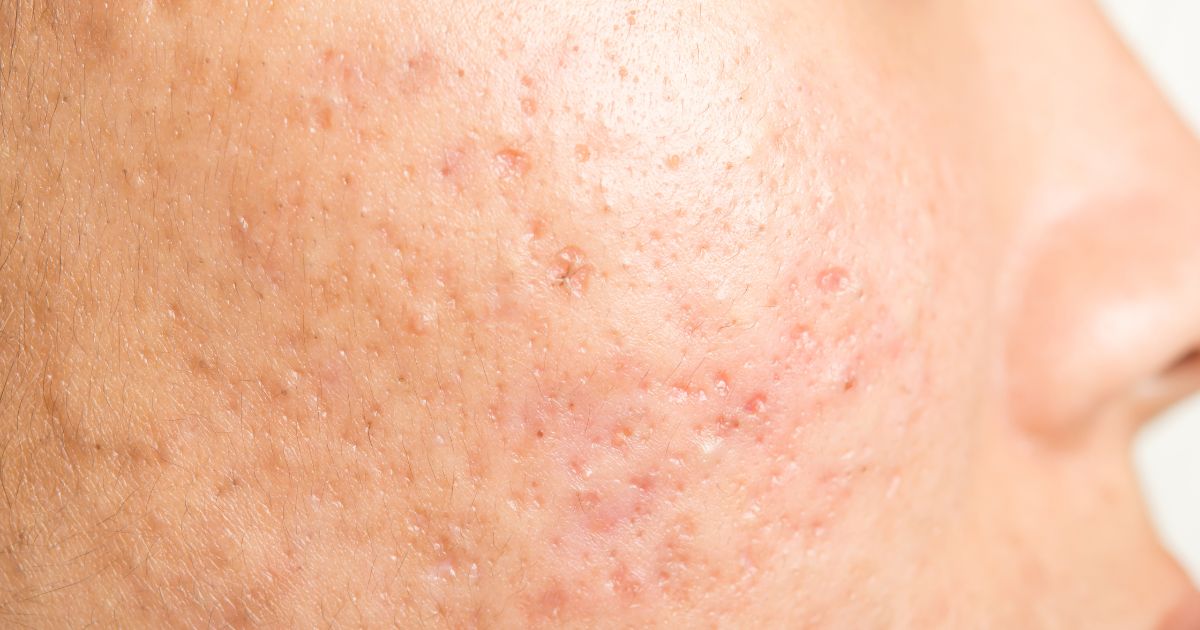
Acne scars are permanent changes to the skin’s texture that develop after inflammation damages the deeper layers of the skin.
When a pimple becomes inflamed, particularly larger or cystic breakouts, the body’s natural healing process begins repairing the damaged tissue. If too little collagen is produced during healing, the skin may be left with depressions or indentations. If collagen is produced unevenly, the skin’s texture can also become irregular.
It’s also important to know that not every mark left after acne is actually a scar.
Many people mistake post-acne pigmentation or redness for acne scarring. While these marks can take several months to fade, they don’t involve permanent structural changes to the skin and often respond to different treatments.
True acne scars affect the skin’s structure, which is why professional treatments that stimulate collagen and skin renewal are often recommended.
Why Do Some Pimples Leave Scars?
Not every breakout causes scarring.
Several factors can increase the likelihood of acne scars developing, including:
- Deep or cystic acne
- Prolonged inflammation
- Picking or squeezing pimples
- Delaying acne treatment
- Genetics
Inflammation plays a significant role. The more severe the inflammation, the more likely it is to damage the collagen that supports the skin. Picking or squeezing pimples can make this damage worse by increasing trauma and delaying healing.
Managing active acne early is one of the best ways to reduce the risk of future scarring.
Not Every Acne Scar Is the Same
One reason people often struggle to find the best treatment for acne scars is because not all scars behave the same way.
Some of the most common types include:
Rolling Scars
Rolling scars create gentle waves or uneven skin texture due to collagen loss beneath the skin.
Boxcar Scars
These appear as wider depressions with defined edges, giving the skin a pitted appearance.
Ice Pick Scars
Ice pick scars are narrow but extend deeper into the skin, making them one of the more challenging scar types to treat.
Post-Acne Marks
Brown or red marks left after a breakout are often mistaken for scars. These are usually caused by pigmentation or lingering inflammation rather than permanent collagen damage.
Because every scar type responds differently, there isn’t one universal treatment that’s suitable for everyone.
What Is the Best Treatment for Acne Scars?
There isn’t a single “best” treatment that works for every person.
The most effective treatment depends on several factors, including:
- The type of acne scar
- The severity of the scarring
- Whether you’re still experiencing active acne
- Your skin type
- Your overall skin goals
For many people, the best results come from combining professional treatments that improve skin texture while supporting the skin’s natural repair processes.
Professional Treatments for Acne Scar Removal
RF Needling
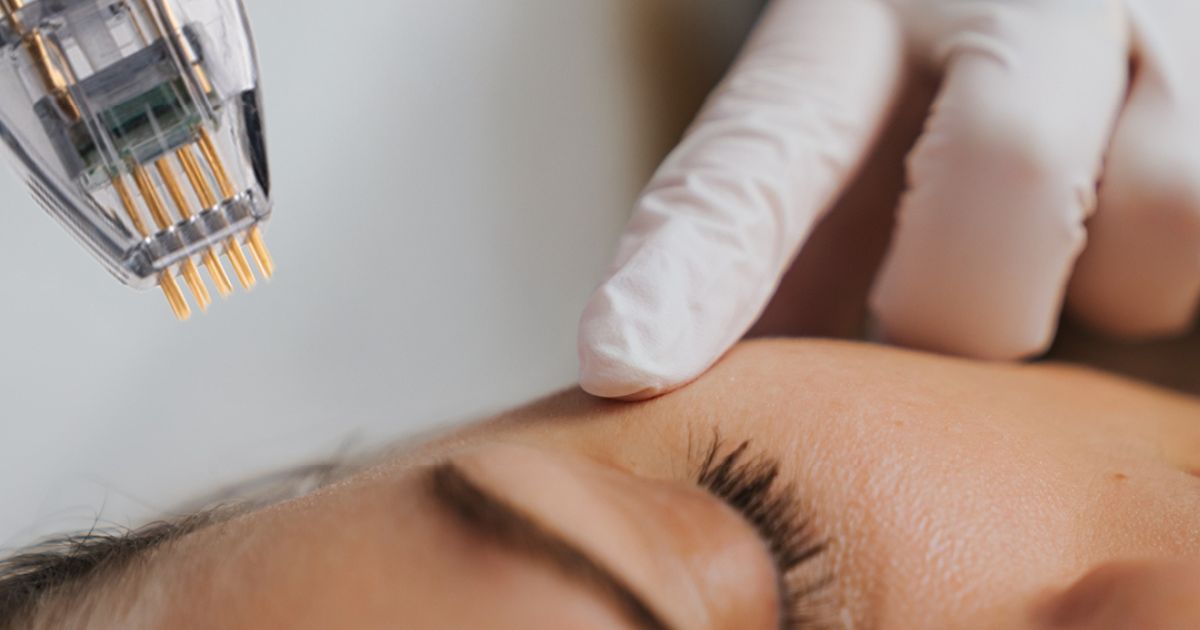
RF Needling combines the collagen-stimulating benefits of microneedling with radiofrequency energy delivered directly into the deeper layers of the skin.
This dual approach encourages collagen and elastin production while helping to remodel scar tissue beneath the surface. It’s commonly recommended for clients with acne scars who are looking to improve uneven texture, refine pores and support overall skin rejuvenation.
RF Needling may help:
- Stimulate collagen and elastin production
- Improve the appearance of acne scars
- Refine skin texture and enlarged pores
- Support firmer, healthier-looking skin
- Promote gradual skin remodelling with minimal downtime
Depending on your skin concerns, RF Needling may be recommended on its own or as part of a personalised treatment plan alongside other acne scar treatments.
Skin Needling
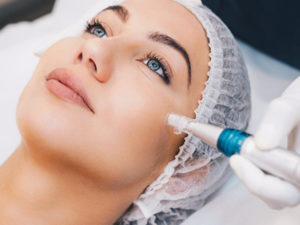
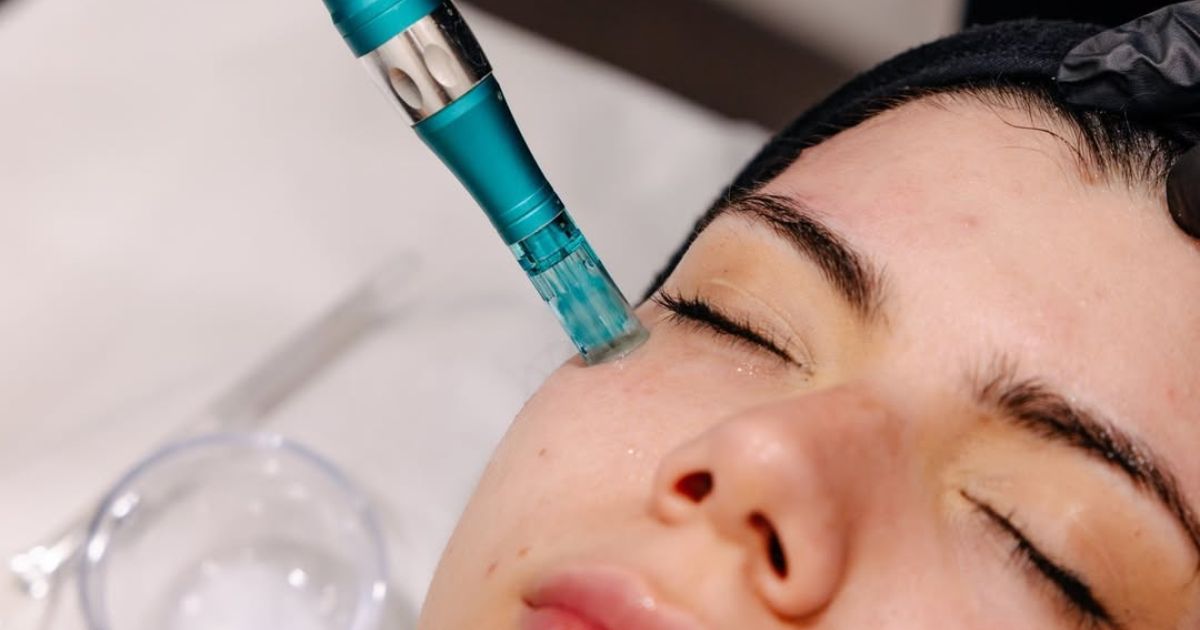
Skin Needling works by creating precise micro-channels within the skin.
These tiny channels activate the body’s natural healing response, stimulating collagen and elastin production to strengthen the skin over time.
As new collagen forms, the skin gradually becomes smoother, firmer and more even in texture.
Skin Needling may help:
- Increase natural collagen production
- Improve the appearance of acne scars
- Smooth uneven skin texture
- Reduce the appearance of stretch marks and fine lines
- Create healthier, rejuvenated skin
Because it’s suitable for all skin types, Skin Needling is often recommended for mild to moderate acne scarring and can be incorporated into a personalised treatment plan.
Ultimate Peel
Acne scars aren’t always just about texture.
Many people are also left with dullness, uneven skin tone and post-acne pigmentation after their breakouts have healed.
The Ultimate Peel is designed to support skin renewal by removing damaged surface cells and encouraging fresh, healthier-looking skin to emerge.
Over a series of treatments, it may help:
- Resurface and refine the skin
- Improve uneven skin tone
- Brighten post-acne pigmentation
- Support collagen and elastin production
- Promote a smoother, clearer complexion
It can be an excellent complementary treatment alongside collagen-stimulating procedures.
Supporting Your Results at Home
Professional treatments are only one part of improving acne scars. A consistent skincare routine can help support your skin’s natural repair process and maintain the results achieved in clinic.
Your therapist may recommend evolveMD products based on your skin concerns, including:
Cell Renewal + Serum
Cell Renewal + Serum is a peptide-rich serum formulated to support skin rejuvenation and the appearance of scar tissue. By helping to encourage the skin’s natural repair processes, it complements professional acne scar treatments and supports healthier-looking skin during recovery.
Multi Active Serum
Multi Active Serum is one of evolveMD’s most-loved serums, designed to assist with skin renewal while supporting multiple skin functions. Formulated with ingredients including Liposomal Retinaldehyde (Vitamin A) and Niacinamide (Vitamin B3). It helps promote skin renewal, improve overall skin texture and support the treatment of acne as part of a personalised skincare routine.
Daily sun protection is also essential, as UV exposure can slow the skin’s healing process and contribute to post-acne pigmentation.
When combined with professional treatments, personalised home care can help support healthier skin and maintain your results over time.
Active Acne vs Acne Scars
One of the most common misconceptions is that acne scars should be treated while acne is still active.
If you’re continuing to experience frequent breakouts, your therapist may first recommend treating the acne itself. Ongoing acne creates new inflammation, which can damage collagen and increase the risk of developing additional scars.
Clinical research supports this staged approach. A 2024 review published in the Journal of Cosmetic Dermatology highlighted that effective acne scar management begins with controlling active acne before introducing scar-focused treatments, helping to reduce further scarring and achieve better long-term outcomes.
Once your acne is under control, treatment can shift towards improving existing scars, restoring smoother skin texture and supporting collagen remodelling.
By treating active acne first and then addressing any remaining scars, your personalised treatment plan can deliver more predictable and long-lasting results.
Why Professional Assessment Matters
Two people can both say they have “acne scars” but require completely different treatment plans.
One person may have deeper rolling scars caused by collagen loss, while another may mainly be experiencing post-inflammatory pigmentation left behind after breakouts. Others may have enlarged pores, uneven texture or a combination of concerns.
That’s why a professional consultation is so important.
At Evolution Laser Clinic, our experienced therapists assess your skin and create a personalised treatment plan based on your scar type, skin condition and goals. Many clients also choose to have a complimentary skin scan, providing a more detailed understanding of what’s happening beneath the surface of the skin.
Final Thoughts
Your acne may be gone, but that doesn’t mean you have to live with the scars forever.
With the right combination of professional treatments and personalised home care, it’s possible to improve skin texture, stimulate collagen renewal and support healthier-looking skin over time.
If you’re wondering what the best treatment for acne scars is, the first step is understanding your skin.
Book a free consultation and complimentary skin scan with Evolution Laser Clinic. We’ll assess your skin, explain your treatment options and create a personalised plan to help you achieve smoother, more confident-looking skin.