When people talk about glass skin, they’re usually describing skin that looks smooth, clear, hydrated and naturally radiant.
The term originally became popular through Korean beauty trends, but the appeal is universal. Who wouldn’t want skin that looks healthy, fresh and luminous?
The good news is that glass skin isn’t reserved for influencers or people with naturally perfect skin. The less good news? If you’re wondering how to get glass skin, It takes more than a hydrating serum to get there.
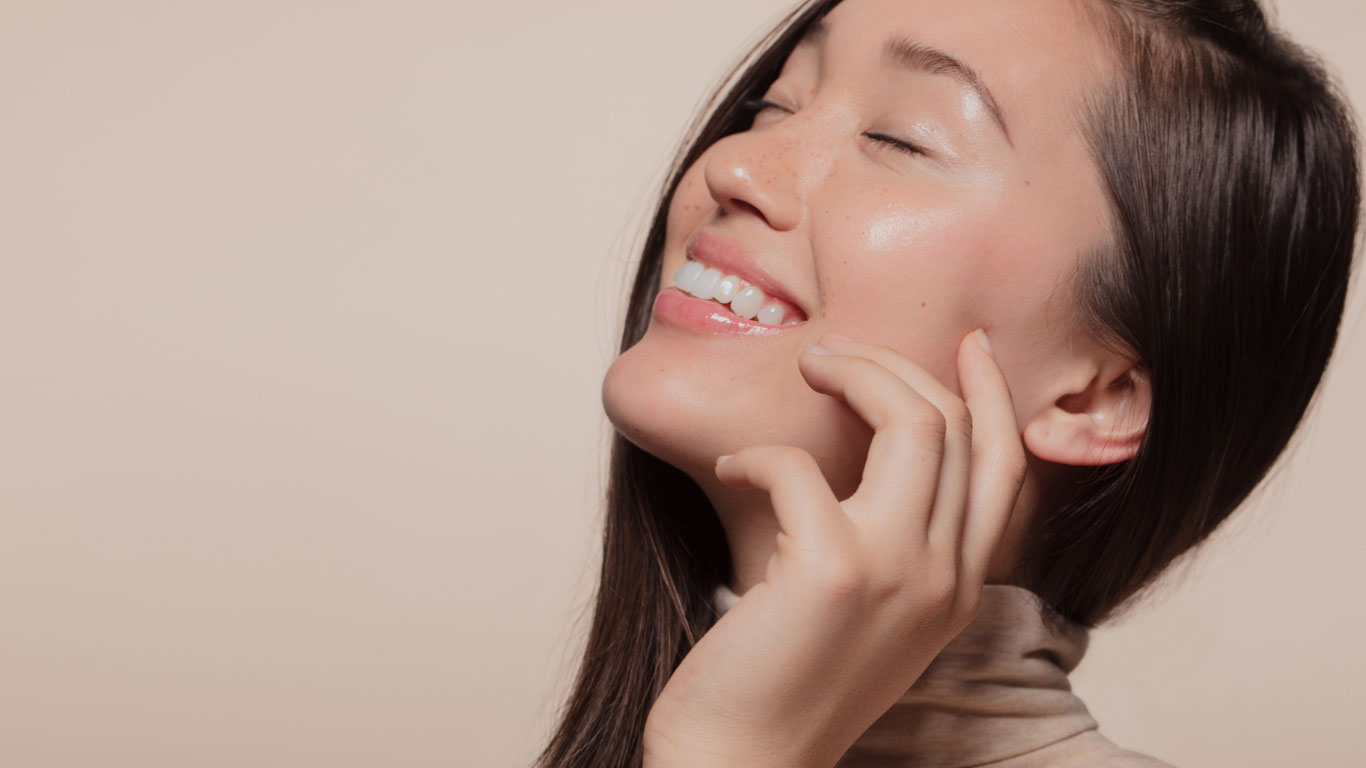
Glass skin refers to skin that appears exceptionally healthy, with a smooth surface that reflects light evenly.
It is often characterised by:
- deep hydration
- even skin tone
- refined texture
- a natural glow
While “glass skin” is often seen as a beauty trend, the science behind it is surprisingly simple. Healthy skin with strong barrier function and good hydration reflects light more evenly, creating the smooth, luminous appearance often associated with glass skin.
Research has shown that the skin barrier plays a critical role in maintaining hydration and overall skin health. When the barrier is functioning well, skin is better able to retain moisture, appear smoother and maintain a healthy-looking glow.
The Secret Behind Glass Skin
Hydration is important, but it’s only one part of the picture.
You can use the best moisturiser in the world, but if your skin is congested, uneven in tone or struggling with a damaged skin barrier, it won’t achieve that clear, reflective look associated with glass skin.
The appearance of glass skin comes from multiple factors working together. Think of it less as a product and more as a skin health goal.
The Four Pillars of Glass Skin
Hydration
Well-hydrated skin reflects light better and tends to appear plumper, smoother and healthier.
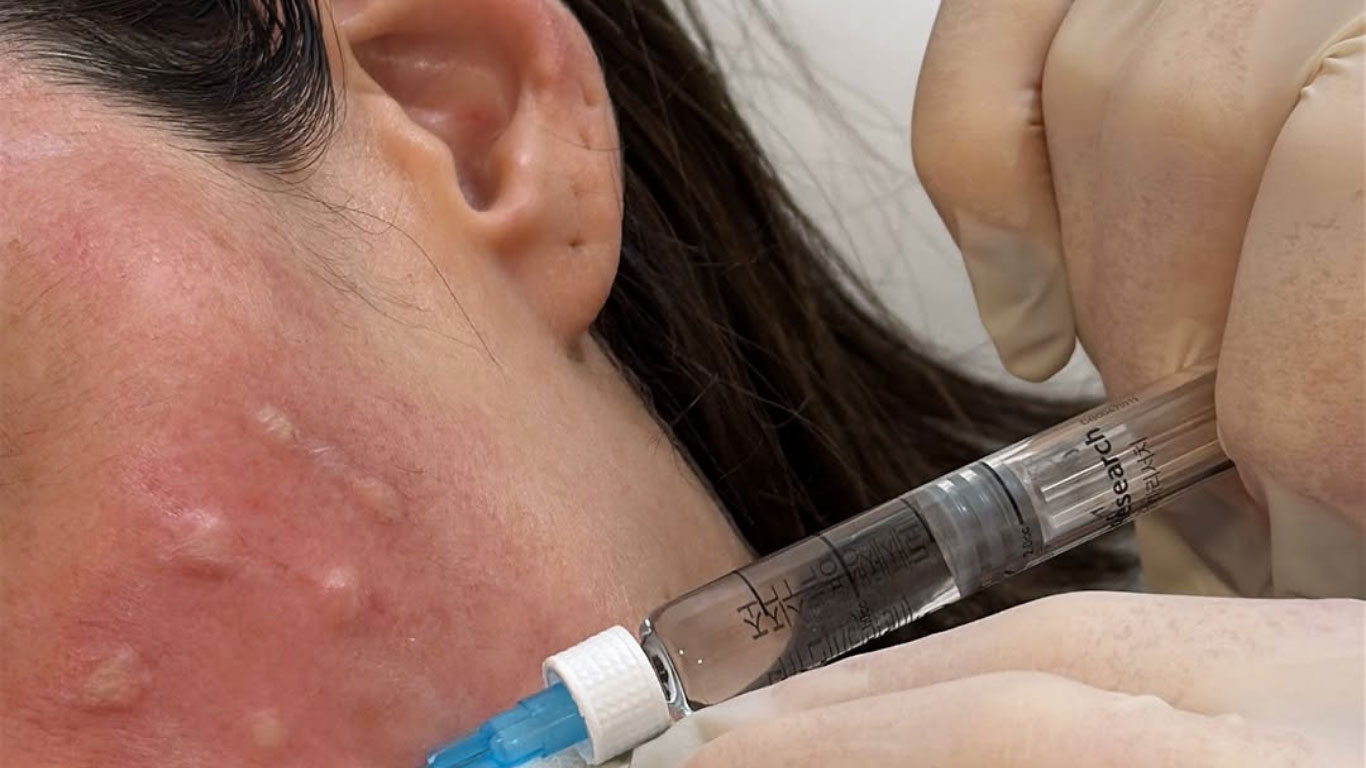
Products such as the evolveMD Hydrating Mist and Advanced Hydrating Serum can help support hydration levels and maintain skin comfort throughout the day. For those looking to support hydration from within the skin, treatments such as Rejuran Skin Booster may also be incorporated into a personalised treatment plan.
Hydration is often the quickest improvement people notice, but it’s only the beginning.
Even Skin Tone
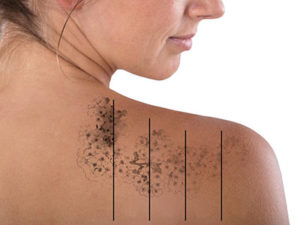
Pigmentation, redness and uneven patches can interrupt the appearance of glass skin.
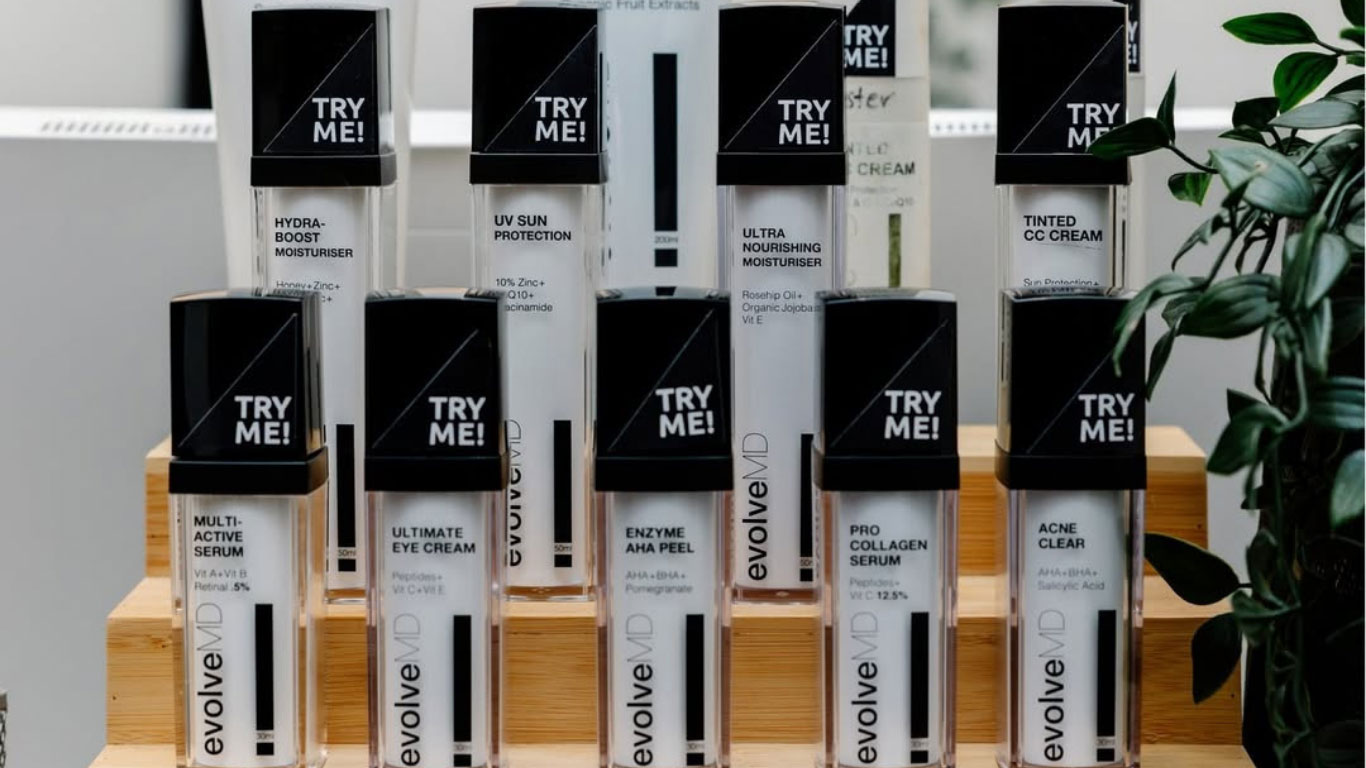
Daily SPF is one of the most important steps in maintaining an even complexion. We recommend protecting the skin with evolveMD UV Sun Protection to help minimise ongoing UV damage.
To further support a brighter, more even-looking complexion, the evolveMD Ultimate Brightening Serum can be incorporated into your skincare routine. Formulated with ingredients that help target visible pigmentation and support overall skin clarity, it can assist in both preventing future discolouration and improving the appearance of existing uneven skin tone.
For clients concerned about pigmentation, treatments such as Laser Pigment Reduction may help improve the appearance of uneven skin tone. For visible redness or flushing, Laser Flushing Treatments can be used to target redness-prone skin and support a more balanced complexion.
The clearer and more even the skin appears, the closer it moves towards that glass skin look.
Smooth Texture
Texture plays a huge role in how skin reflects light.
Dead skin build-up, congestion and rough patches can make the skin appear dull, even when it is hydrated.
At home, products such as the evolveMD Enzyme AHA Peel can help gently exfoliate the skin and support smoother-looking texture.
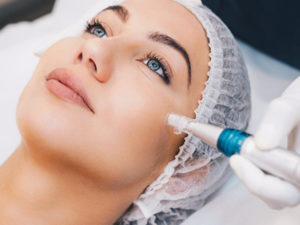
In clinic, treatments such as the Cosmetic Grade Skin Peels, Skin Needling and RF Needling may be recommended depending on your skin concerns and goals.
When the skin surface becomes smoother, it reflects light more evenly, creating that healthy glow associated with glass skin.
Skin Health and Repair
Healthy skin recovers better, holds hydration more effectively and generally looks brighter and more resilient.
This is where ingredients such as peptides, growth factors and barrier-supporting skincare can play an important role. Products like the evolveMD Super Serum and Multi-Active Serum are designed to support overall skin health as part of a consistent routine.
Professional treatments can also help support the skin’s recovery process. LED Light Therapy is often recommended following skin treatments because it helps calm the skin and support recovery, while treatments such as Rejuran Skin Booster focus on improving overall skin quality and resilience.
Glass skin isn’t just about how the skin looks, it’s about how healthy the skin is underneath.
How Long Does It Take to Get Glass Skin?
One of the most common questions is: how long does it take to get glass skin?
The answer depends on your starting point.
Some people notice improvements in hydration within a few days. Texture and overall skin quality may take several weeks, while concerns such as pigmentation can take longer.
The most important factor is consistency.
Glass skin is usually the result of small improvements that build over time.
Glass Skin Looks Different for Everyone
One of the biggest misconceptions about glass skin is that it looks the same on everyone.
For someone with acne-prone skin, glass skin may mean fewer visible breakouts and smoother texture.
For someone concerned about pigmentation, it may mean a more even skin tone.
For mature skin, it may focus more on hydration, resilience and overall skin quality.
Healthy skin doesn’t have to look identical to be beautiful.
Final Thoughts
Glass skin isn’t about chasing perfection.
It’s about building healthy skin through hydration, consistency and the right support for your individual concerns.
If you’re not sure where to start, book a free consultation and skin scan at Evolution Laser Clinic. Our team can assess your skin and help create a personalised plan to support your skin goals.