Managing acne-prone skin often involves a mix of skincare, lifestyle changes and professional guidance. In recent years, LED light therapy has gained attention as a potential non-invasive treatment that supports acne management when used appropriately.
This article explains the possible benefits of LED light therapy for acne-prone skin, focusing on the science behind blue and yellow light, what to expect during treatment and important safety considerations.
What is LED light therapy?
LED (light-emitting diode) light therapy exposes the skin to specific wavelengths of visible light. Research published in the International Journal of Molecular Sciences has explored how certain wavelengths of light may interact with the skin, including their potential to influence the way skin cells respond and behave on a surface level.
Unlike laser treatments, LED light therapy does not heat or damage the skin. Instead, it is commonly used as a gentle, low-intensity modality within skincare settings, often described as a supportive option for overall skin appearance and comfort rather than a thermal or ablative treatment.
Can you use blue LED light therapy for acne-prone skin?
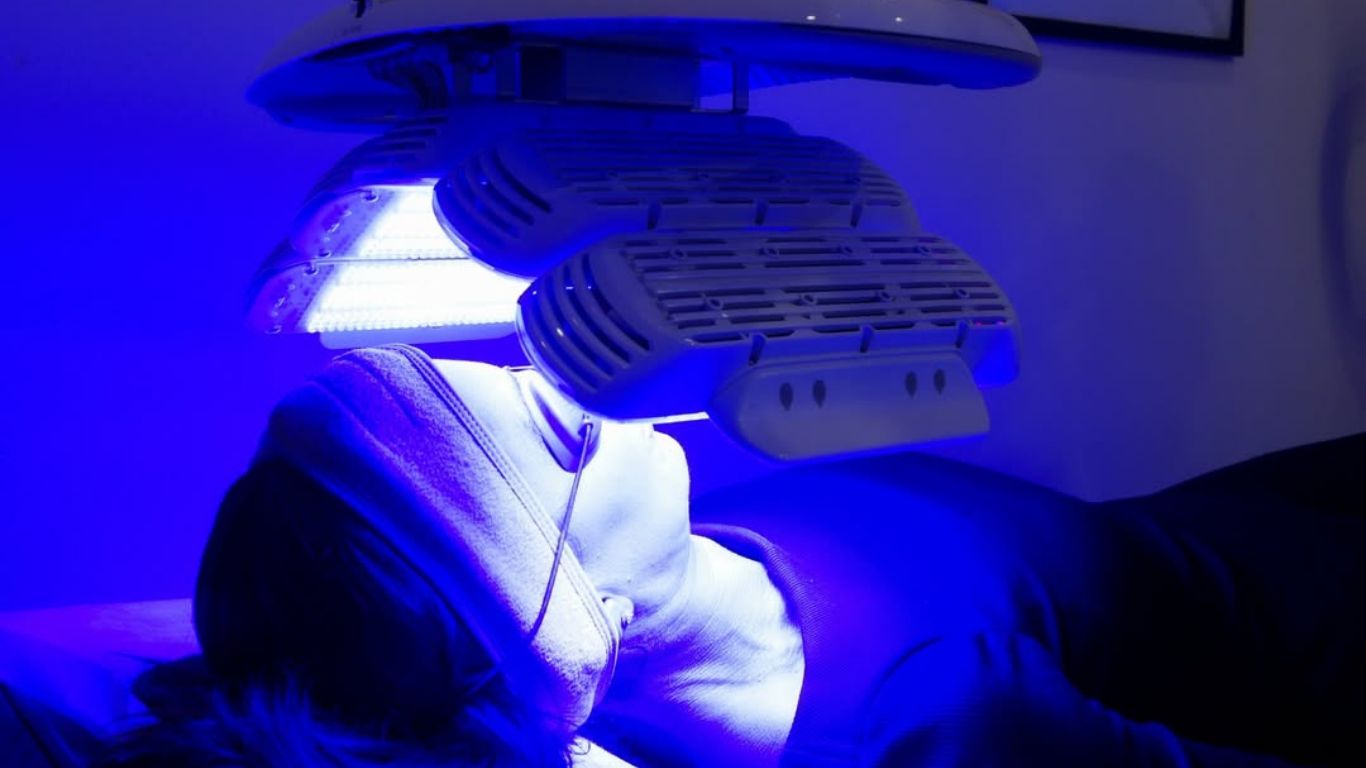
Blue light therapy uses wavelengths around 415 nanometres, which primarily affect the skin’s surface layers. According to a study from the Journal of Clinical and Aesthetic Dermatology, this wavelength is commonly used in acne-focused treatments due to its interaction with acne-associated bacteria such as porphyrins. This interaction may help reduce bacterial activity on the skin’s surface, a factor involved in acne development.
How about yellow LED light therapy?
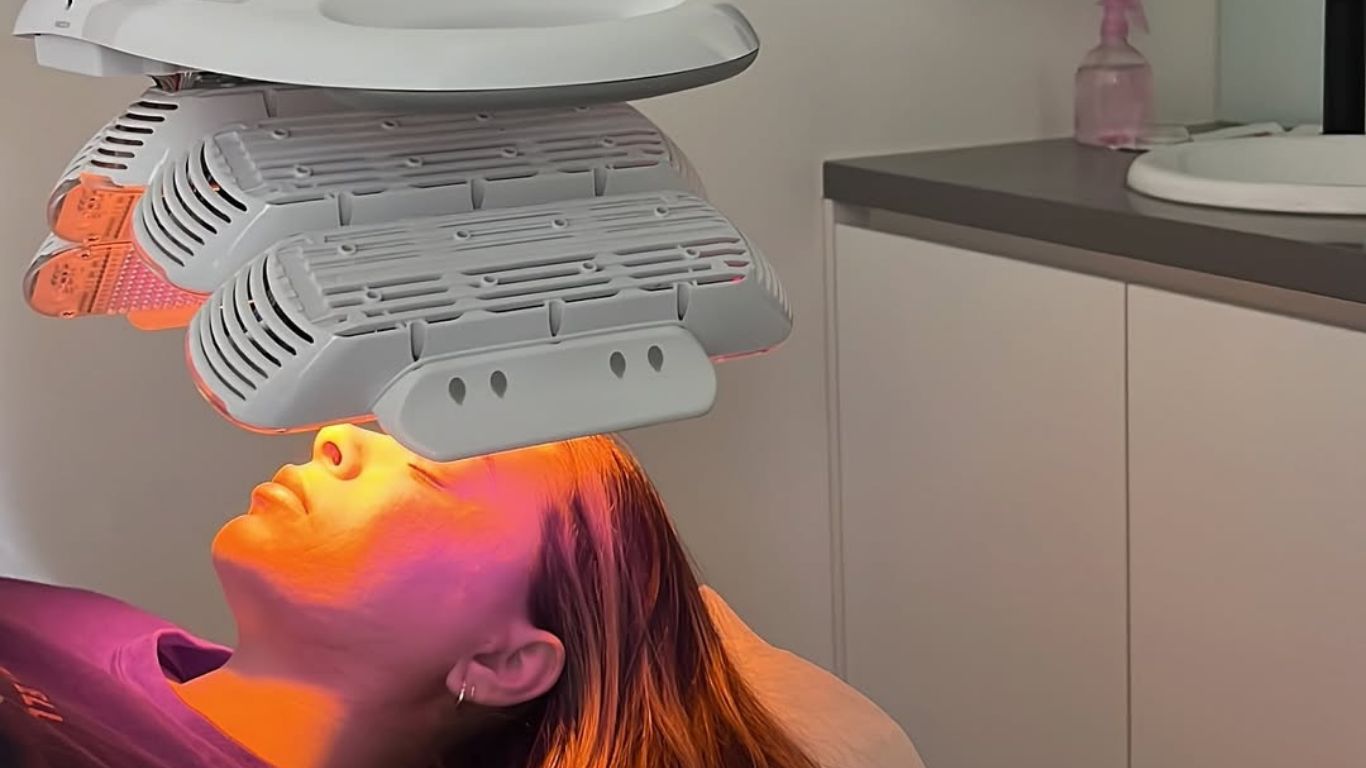
Yellow light therapy operates at a longer wavelength than blue light, allowing it to penetrate deeper into the skin. It is typically delivered at around 570 to 590 nanometres and is commonly associated with supporting skin comfort, circulation and recovery.
From a biological perspective, research in The Journal of Clinical Medicine suggests that yellow light may stimulate collagen activity involved in skin repair. It may support lymphatic flow and microcirculation, which can help the skin manage the appearance of redness and post-acne sensitivity.
What to expect when using LED light therapy for acne-prone skin
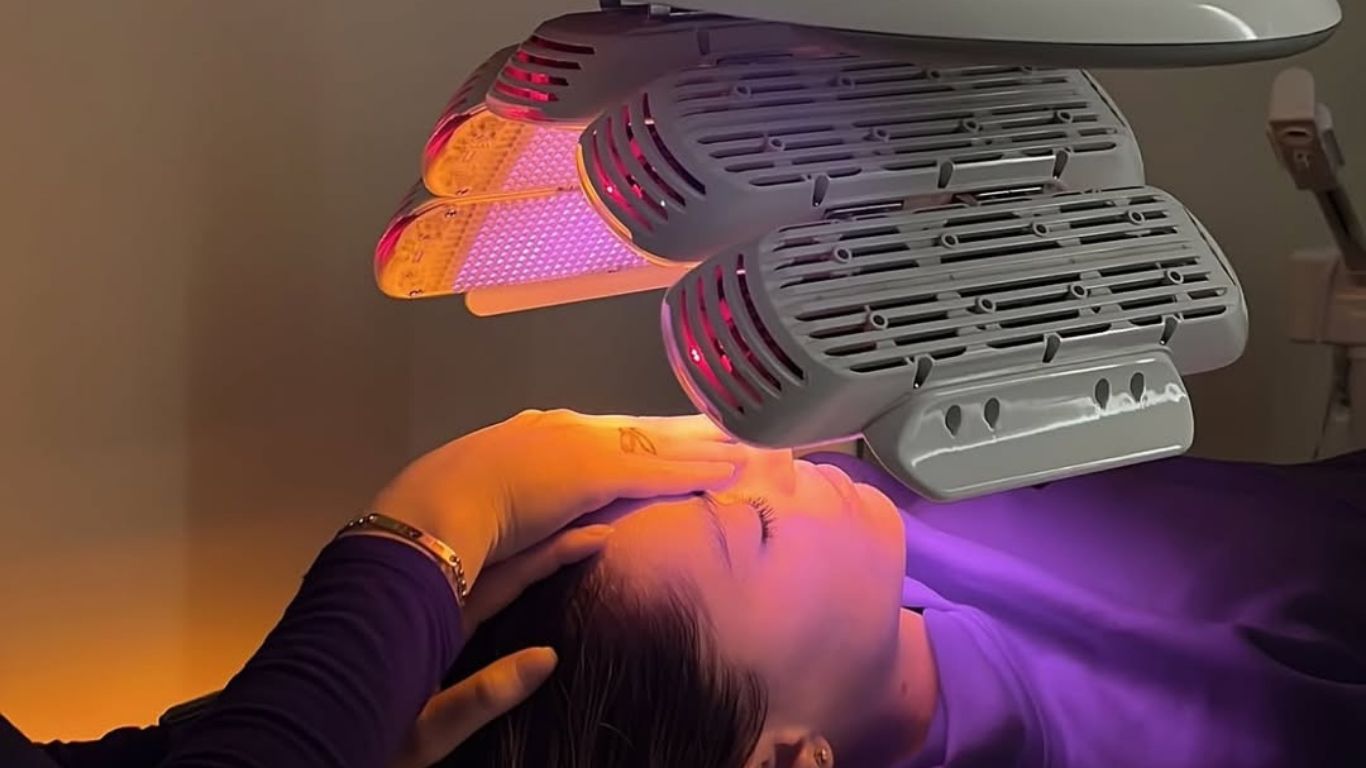
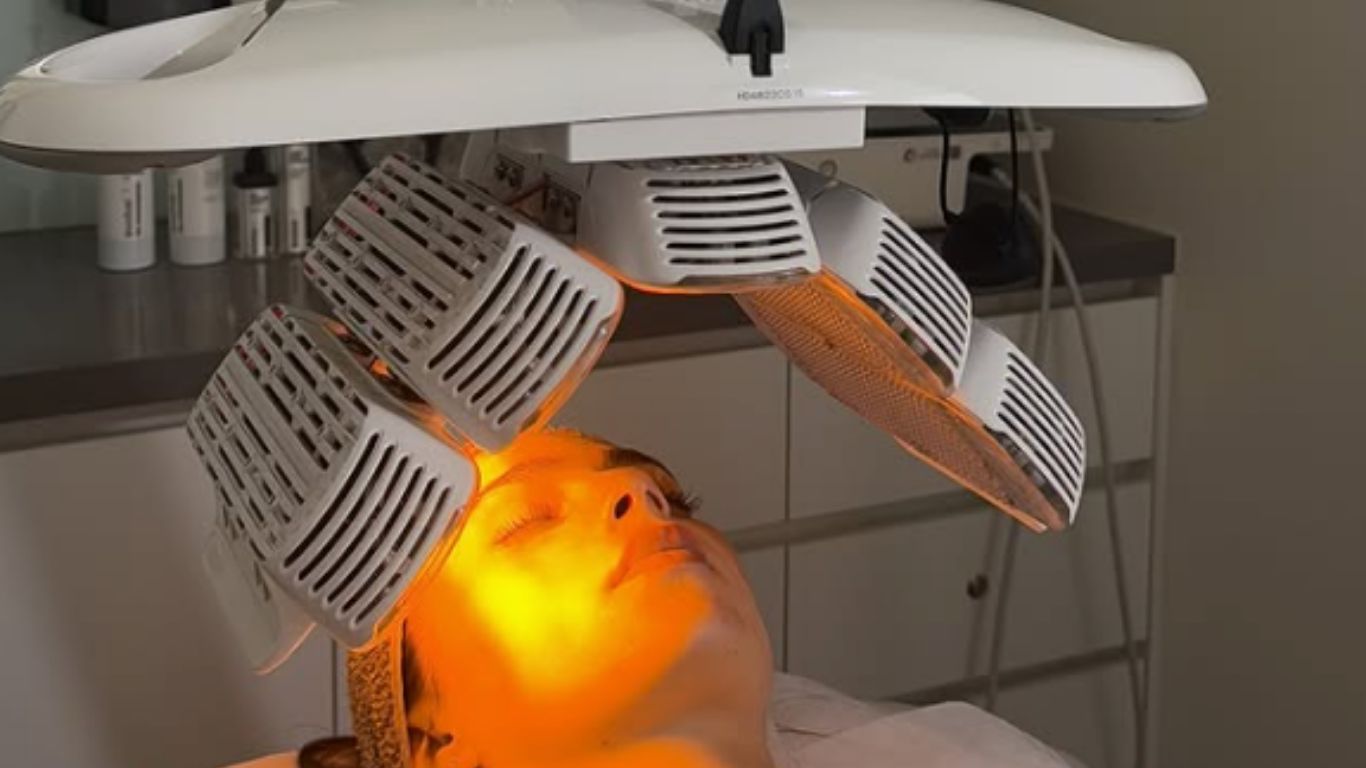
Blue and yellow light therapy is usually delivered via a light panel or an LED mask, positioned close to the face. Treatment sessions are typically performed in a clinic setting or with an at-home device designed for cosmetic use.
A session may involve:
- Cleansing the skin before treatment
- Wearing protective eyewear during the session
- Sitting or lying under the LED device for a set period of time
Sessions are often repeated over several weeks, as LED therapy is typically delivered gradually rather than as a one-time treatment.
Results can vary depending on skin type, the severity of breakouts and how consistently treatments are performed.
Is LED light therapy better in-clinic or at home?
Choosing between professional sessions and an at-home device often comes down to the level of support you want, the severity of your skin concerns and how confident you feel using LED therapy independently. While both options use similar wavelengths of light, they can differ in terms of treatment strength, consistency and supervision.
| Feature | In-clinic LED light therapy | At-home LED devices |
| Supervision | Delivered by trained professionals who can assess skin suitability | Self-administered without professional oversight |
| Equipment strength | Uses medical-grade LED panels with controlled settings | Typically lower-intensity devices designed for cosmetic use |
| Treatment consistency | Sessions follow a structured schedule in a clinical setting | Results depend on correct and consistent home use |
| Personalisation | Wavelengths and session length may be adjusted based on skin response | Limited customisation depending on the device |
| Safety considerations | Professional guidance may reduce the risk of misuse or irritation | Overuse or incorrect use may increase sensitivity in some individuals |
A consultation can help clarify which approach is most appropriate for your skin and whether LED therapy should be used as part of a broader treatment plan.
Are there any side effects of LED light therapy?
While blue and yellow light therapy are non-invasive, it is still important to understand that side effects and sensitivities can occur.
Some people may experience:
- Temporary redness or dryness
- Mild irritation, particularly if the skin is already inflamed
- Increased sensitivity in reactive skin types
LED therapy may not be appropriate for individuals with certain medical conditions or those taking medications that increase sensitivity to light. Eye protection is also essential, as direct exposure to bright LED light may cause discomfort.
At-home devices should always be used according to the manufacturer’s instructions to avoid overuse or irritation.
How do you care for your skin after LED light therapy?
Blue and yellow light therapy usually does not require downtime, but gentle aftercare can help support the skin following treatment.
This may include:
- Using mild, non-irritating skincare products
- Avoiding harsh exfoliants immediately after sessions
- Applying sunscreen daily, as acne-prone skin can be sensitive
Because LED therapy is often part of a broader acne management plan, ongoing skincare and lifestyle support remain important alongside any in-clinic or device-based treatments.
Why consultations matter for LED light therapy
If you are interested in blue or yellow LED light therapy for acne-prone skin, a consultation with a qualified health or skin professional is strongly recommended.
A professional can:
- Assess whether LED therapy is suitable for your skin
- Recommend the most appropriate wavelength or treatment plan
- Explain realistic outcomes and limitations
- Discuss other options if breakouts are persistent or severe
This is particularly important for deeper, painful or scarring acne, where additional medical treatment may be required.
Book a consultation to explore blue and yellow LED light therapy
So, does LED light therapy work for acne-prone skin? The answer ultimately depends on your individual skin concerns, the type of acne involved and how consistently treatment is used over time. While research suggests blue and yellow light therapy may help manage certain aspects of breakout-prone skin, outcomes vary from person to person.
At Evolution Laser Clinic, we provide LED light therapy sessions as a non-invasive option for individuals with acne-prone skin. If you are considering this approach, book a consultation with our clinical therapists to assess suitability and discuss a personalised treatment plan.