Collagen forms an important part of the structure beneath your skin, contributing to its strength, firmness and overall integrity. As you get older, collagen synthesis, degradation and organisation naturally change. Cumulative UV exposure and lifestyle factors can also influence these processes, contributing to visible changes in the face over time.
So, what can you do about these changes? While there isn’t a single way to simply replace all the collagen that changes with age, healthy lifestyle habits and appropriate skincare can support normal collagen production and help protect your skin. Let’s look at what affects facial collagen and how to restore collagen in the face with everyday skincare, healthy lifestyle habits and professional treatment options.
Key takeaways
- Collagen is an important structural protein within the skin, contributing to its strength, firmness and mechanical properties.
- Collagen production and organisation naturally change with age, while factors such as UV exposure and smoking can also influence collagen-related processes.
- “Restoring” facial collagen generally means supporting normal collagen production and skin health rather than replacing collagen that has changed with age.
- Sun protection, balanced nutrition and consistent skincare can support overall skin health and normal collagen production.
- Professional skin treatments may also be considered but suitability, potential risks, expected response and treatment timelines vary between individuals.
What causes collagen loss in the face?
Collagen doesn’t simply disappear at a particular age. Instead, the processes responsible for maintaining the collagen-rich structure of the skin gradually change over time. With intrinsic ageing, fibroblasts (the cells responsible for producing collagen within the dermis) become less active, while the balance between collagen synthesis and degradation also changes. Existing collagen can become increasingly fragmented and disorganised, affecting the structural support provided by the dermal extracellular matrix.
Environmental and lifestyle factors can contribute too. Repeated exposure to ultraviolet (UV) radiation is a major contributor to photoageing and can activate enzymes involved in collagen degradation. Smoking has also been associated with premature skin ageing and changes to processes involved in collagen synthesis and breakdown.
Nutrition, general health and other lifestyle factors can further influence the biological processes required to maintain healthy skin. This is why facial ageing shouldn’t be understood simply as “collagen loss”. Changes to elastin, facial fat, bone structure and muscle activity can also influence how the face changes over time.

How to restore collagen in the face naturally
Everyday measures can support normal collagen synthesis and help protect your skin from avoidable environmental damage:
Protect your skin from UV exposure
Because cumulative UV exposure contributes to collagen degradation and photoageing, protecting your skin from the sun is an important preventative measure. Use broad-spectrum sunscreen as directed and combine it with other forms of protection, such as seeking shade and wearing a hat or protective clothing when appropriate. Reducing cumulative UV exposure can help minimise one of the major external influences on premature skin ageing.
Support collagen production through nutrition
Your body produces collagen using amino acids obtained from protein, while several nutrients are involved in the process. Vitamin C, for example, is an essential cofactor for enzymes involved in normal collagen synthesis.
Rather than relying on a single food or supplement to “restore” facial collagen, aim for a balanced diet that provides adequate protein and essential nutrients. Research into oral collagen supplements and skin outcomes remains mixed so they shouldn’t be viewed as a proven way to replenish collagen within the face.
Maintain a consistent skincare routine
If you’re wondering how to restore collagen in the face fast, it’s important to remember that changes to collagen production and remodelling don’t happen overnight. A regular routine that includes gentle cleansing, moisturising and daily sun protection can help maintain the skin barrier and support overall skin health over time.
Certain topical ingredients, such as retinoids, have also been studied for their effects on processes associated with dermal collagen. However, results take time and suitability, concentration and tolerance can vary between individuals. Introducing active ingredients gradually and using them consistently as directed can help minimise irritation, while stronger formulations may require professional guidance.
Whatever products you choose, realistic expectations are important. Skincare can support the processes involved in maintaining healthy skin but it cannot instantly replace collagen that has changed as part of the natural ageing process.
Can professional treatments help support facial collagen?
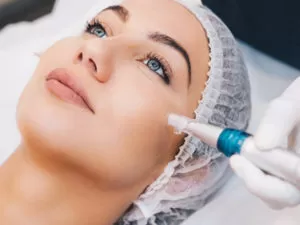
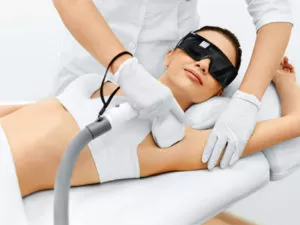
Professional treatments are another option for people concerned about changes in their skin. Some use controlled micro-injury or energy to initiate natural repair and remodelling responses associated with collagen production.
These treatments don’t simply “put collagen back” into the face, and different approaches work in different ways. Suitability, potential risks, downtime, treatment frequency and expected response can also vary between individuals, making professional assessment important before proceeding.

How to restore collagen in the face for wrinkles
If you’re concerned about wrinkles, remember that collagen is only one part of the picture. Changes to dermal collagen are associated with wrinkles and altered skin texture but repeated facial movement, cumulative UV exposure and broader structural changes that occur with age can also contribute.
There’s no universal approach to restoring facial collagen or targeting the appearance of wrinkles. Sun protection, balanced nutrition, healthy lifestyle habits and consistent skincare remain important foundations, while professional treatments are an optional consideration.
Finding the right approach for your skin
The right approach depends on factors such as your skin, specific concerns, medical history and expectations. At Evolution Laser Clinic, we recommend consulting a qualified practitioner who can assess your skin and concerns before discussing which treatment options, if any, may be suitable for you.
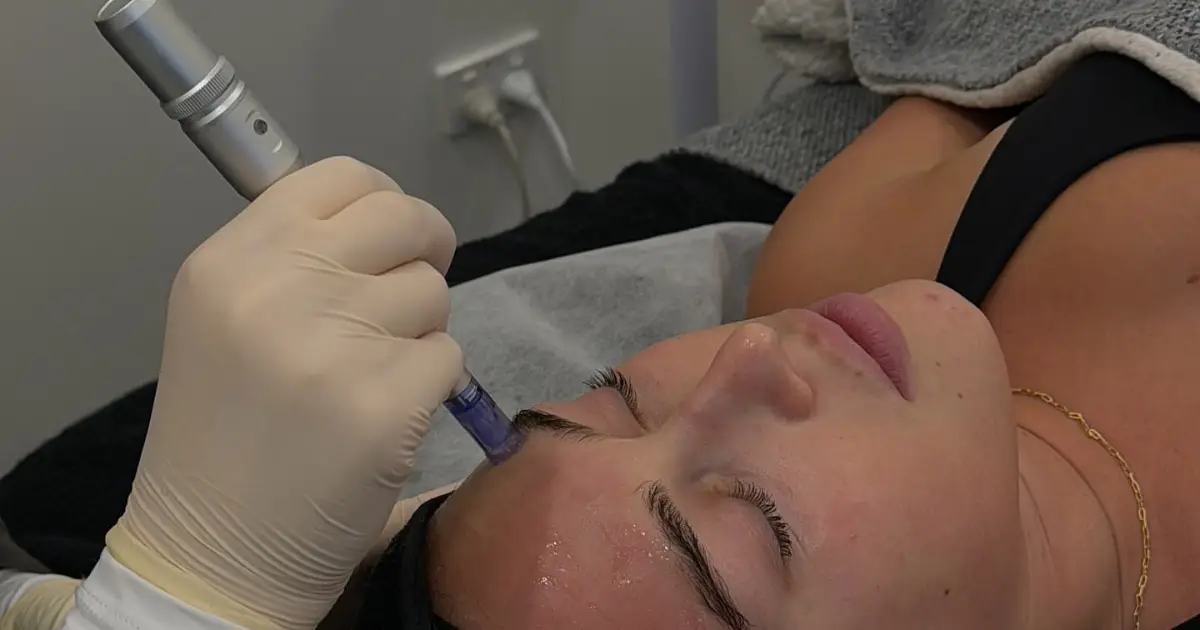
Depending on your concerns, options include laser rejuvenation, which uses controlled laser energy, and skin needling, which creates controlled micro-channels in the skin. You can also explore broader cosmetic aesthetics, skin tightening and firming and anti-ageing treatments based on your individual skin concerns.
Discuss your skin concerns with Evolution Laser Clinic
Changes to collagen and skin appearance are a normal part of ageing, and professional treatment isn’t necessary for everyone. If you’re considering your options, contact the team at Evolution Laser Clinic to discuss your needs and expectations. Book an appointment for a complimentary consultation.
Disclaimer: This content is intended for general informational purposes only and does not constitute medical advice, diagnosis or treatment. Always consult a qualified healthcare professional before starting any new health, wellness or therapeutic product or treatment. Individual results may vary.