Collagen may feature heavily in skincare and wellness products marketed towards women, but this essential protein is just as important for men. Research into collagen branding has found that although collagen products are sold to both men and women, many prominent brands have traditionally directed their marketing towards women.
Collagen is the most abundant protein in the human body; it provides structure, strength and support to the skin, muscles, bones and connective tissues. Within the skin specifically, collagen contributes to its structure, strength and elasticity.
So, what are the benefits of collagen for men and what happens to it as men get older? Below, we look at the role collagen plays in men’s skin, how collagen changes with age and the evidence-based ways you can support healthy-looking skin.
Key takeaways
- Collagen is a structural protein that contributes to the strength, firmness and elasticity of men’s skin.
- Men’s skin tends to be thicker and has historically been reported to have a higher collagen density than women’s skin, although individual characteristics vary.
- Collagen synthesis, degradation and organisation change naturally with age, while factors such as UV exposure and smoking can also influence skin ageing.
- Healthy lifestyle habits, balanced nutrition, sun protection and consistent skincare can help support overall skin health and normal collagen production.
- Professional skin treatments may also be considered for individual concerns, with suitability and expected responses varying from person to person.
First, what is collagen?
Within the skin, collagen is a major component of the dermal extracellular matrix, the network of proteins and other molecules that provides structural and mechanical support to surrounding cells. Several types of collagen are found in the skin, with Type I collagen being the most abundant.
Collagen is primarily produced by cells called fibroblasts within the dermis, but it isn’t a permanent framework that simply stays in place. The skin continually produces and breaks down collagen as part of normal tissue maintenance and repair. This balance can shift over time due to intrinsic ageing and external factors such as ultraviolet (UV) exposure.
Understanding this process is important because collagen’s role extends beyond the appearance of wrinkles. It forms part of the underlying structure that contributes to the skin’s strength, firmness and overall integrity.
Is men’s skin actually different?
Yes, men’s skin is actually different, although individual skin characteristics vary considerably. Research comparing male and female skin has identified several physiological differences, including variations in thickness, collagen content and sebum production.
One study cited in the review found men’s skin to be approximately 10–20% thicker than women’s, while research has also historically reported higher collagen density in male skin. However, having relatively thicker or more collagen-dense skin doesn’t prevent change over time.

What happens to collagen as men get older?
As skin ages, the balance between collagen synthesis and degradation changes, contributing to alterations in its structure and appearance. Hormonal changes may also form part of the picture. Testosterone levels tend to decline gradually as men get older, although the extent varies considerably between individuals.
This process is sometimes referred to as andropause, but unlike menopause, it does not involve a sudden or universal hormonal shift. Age-related testosterone decline occurs gradually, and factors such as overall health and lifestyle can also influence hormone levels.
Androgens such as testosterone are known to influence characteristics of male skin, but ageing is multifactorial. As mentioned, external factors matter too. In particular, cumulative UV exposure can contribute to the breakdown and altered organisation of collagen associated with photoageing.
The benefits of collagen for men
Rather than thinking of collagen simply as an “anti-ageing” ingredient, it helps to understand it as part of the structural framework that supports healthy muscle and skin throughout life. The benefits of collagen for men’s skin include:
Supporting skin structure and firmness
Collagen fibres form an important part of the dermal extracellular matrix, helping give the skin strength and structural support. As the amount and organisation of collagen change with age, the skin can gradually appear less firm.
Supporting elasticity
Collagen works alongside other components of the extracellular matrix, including elastin, to contribute to the skin’s mechanical properties. Together, these structures help skin withstand stretching and movement while maintaining its overall integrity.
Supporting smoother-looking skin
Age-related changes to dermal collagen are associated with visible changes such as wrinkles and altered skin texture. Maintaining the biological processes involved in normal collagen synthesis and remodelling, therefore, forms one part of supporting the skin’s structure and appearance as it ages.
Can you support your skin’s natural collagen?
You can’t stop the natural ageing process but some everyday habits can help protect your skin and support normal collagen production:
- Protect your skin from UV exposure — UV radiation contributes to photoageing and can increase processes involved in collagen breakdown. Using broad-spectrum sunscreen, seeking shade and wearing protective clothing can help limit cumulative UV damage.
- Avoid smoking — Smoking is associated with premature skin ageing and can affect processes involved in collagen synthesis and degradation.
- Eat a balanced diet — Your body requires amino acids from dietary protein to produce collagen, alongside nutrients such as vitamin C, which plays an essential role in normal collagen synthesis.
- Build a consistent skincare routine — Cleansing, moisturising and protecting your skin from UV exposure can help maintain overall skin health.

Importantly, applying collagen topically shouldn’t be confused with directly replacing collagen within the dermis. Collagen-based skincare products may have surface-level moisturising or conditioning effects but this is different from replenishing the collagen naturally found within the dermal extracellular matrix.
While lifestyle and skincare form the foundation of caring for your skin, professional treatments and cosmetic aesthetics can also be considered if you have particular concerns about its texture or appearance.
What are professional collagen-stimulating treatments?
Some professional skin treatments are designed to initiate repair and remodelling processes associated with collagen production. Rather than adding collagen directly to the skin, these approaches use mechanisms such as controlled micro-injury or energy.
Different approaches work in different ways; no treatment is appropriate for everyone. Suitability, potential risks, expected response, downtime and recommended treatment frequency can differ depending on your skin, medical history and individual concerns, making professional assessment an important first step.
Explore the benefits of collagen for men with Evolution Laser Clinic
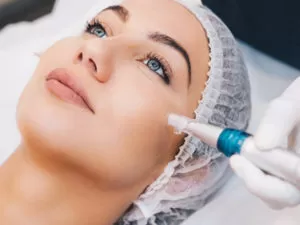
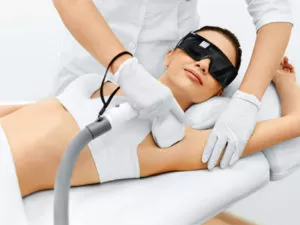
At Evolution Laser Clinic, options include Skin Needling, which creates controlled micro-channels in the skin, and Laser Rejuvenation, which uses controlled laser energy to heat targeted areas beneath the skin’s surface. Depending on your concerns, you can also explore Evolution Laser Clinic’s broader range of Skin Tightening and Firming and Anti-Ageing Treatments.

If you’re considering a professional treatment to address changes in your skin’s appearance, speak with the team at Evolution Laser Clinic about your individual concerns, treatment suitability, potential risks and what you can realistically expect. Book an appointment today for a complimentary consultation.
Disclaimer: This content is intended for general informational purposes only and does not constitute medical advice, diagnosis or treatment. Always consult a qualified healthcare professional before starting any new health, wellness or therapeutic product or treatment. Individual results may vary.