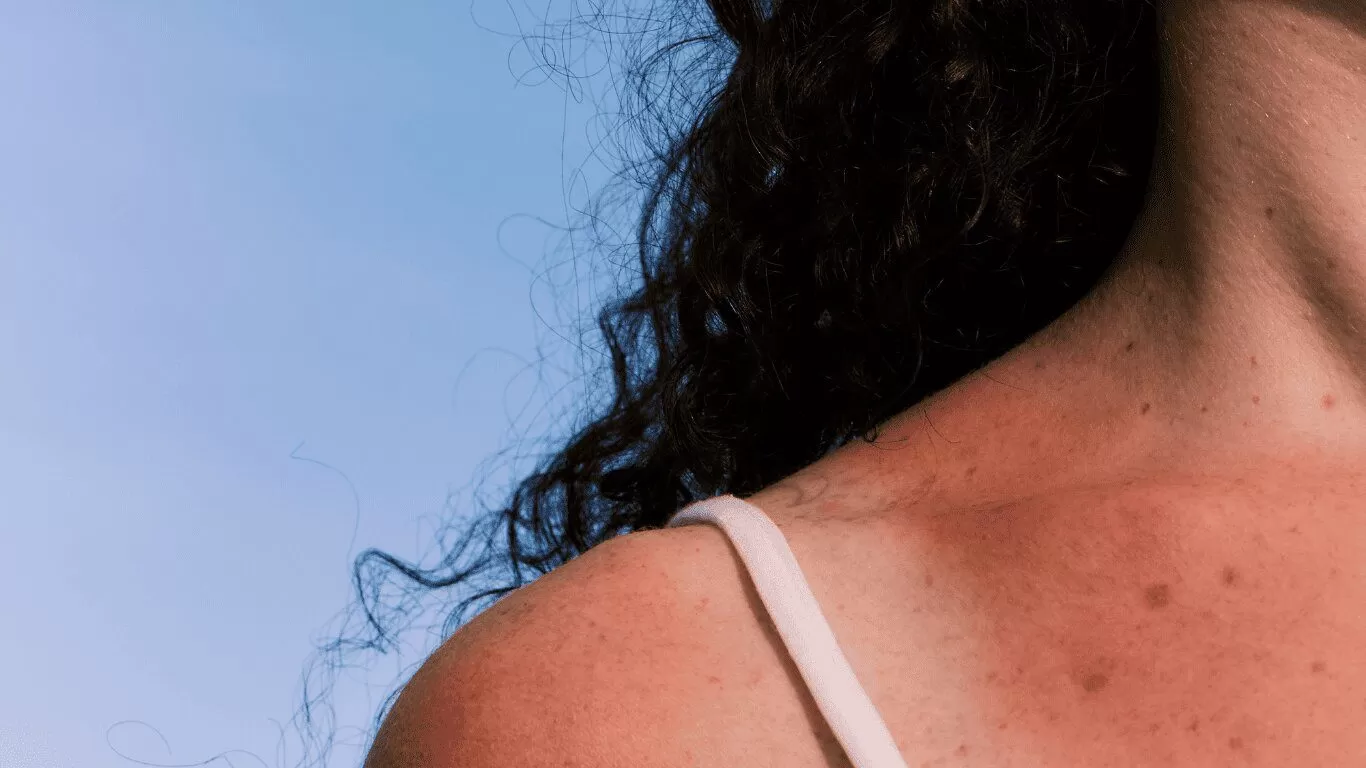
A facial sunburn can happen quickly, one long beach day, a forgotten reapplication of SPF, or even reflected UV on a cloudy afternoon.
The next morning, your skin feels hot, tight, red and uncomfortable. Sometimes it stings. Sometimes it peels days later. And the big question becomes: Should I treat this at home, or do I need professional help?
Understanding proper sunburn recovery makes all the difference. The first 24–48 hours are critical and what you avoid is just as important as what you apply.
What Happens to Your Skin After a Facial Sunburn?
Sunburn is not just surface redness. It’s an inflammatory response.
When UV radiation damages skin cells, it triggers:
- Inflammation (redness and heat)
- Barrier disruption (tight, sensitive skin)
- Dehydration (water loss through the skin)
- Increased pigmentation risk
The skin barrier becomes compromised, meaning it loses moisture more easily and reacts more strongly to active ingredients.
This is why proper sunburn skin treatment at home focuses on calming and repair not correction.
Step 1: Check the Severity
Before starting any sunburn face treatment at home, assess how serious it is.
You can usually manage it at home if:
- Skin is red but not blistering
- There is mild tenderness
- No fever or chills
- No large fluid-filled blisters
Seek medical attention if:
- Blistering is widespread
- You feel dizzy, nauseous or unwell
- Swelling is severe
- Pain is intense
If you’re unsure, it’s always safest to speak with a healthcare professional.
Sunburn Recovery Tips: The First 24–48 Hours
The early phase is about calming, cooling and protecting.
1. Cool the Skin (Gently)
Use cool (not icy) compresses for 10–15 minutes at a time. Avoid ice directly on the skin, it can worsen inflammation.
2. Hydrate Internally
Drink water. Dehydration after sun exposure is common and can slow sunburn recovery.
3. Stop All Active Ingredients
Avoid:
- Retinoids
- Exfoliating acids
- Vitamin C
- Scrubs
- Fragranced products
Even products you normally tolerate can irritate compromised skin.
4. Focus on Barrier Support
Simple, fragrance-free moisturisers are best during the initial stage of sunburn recovery.
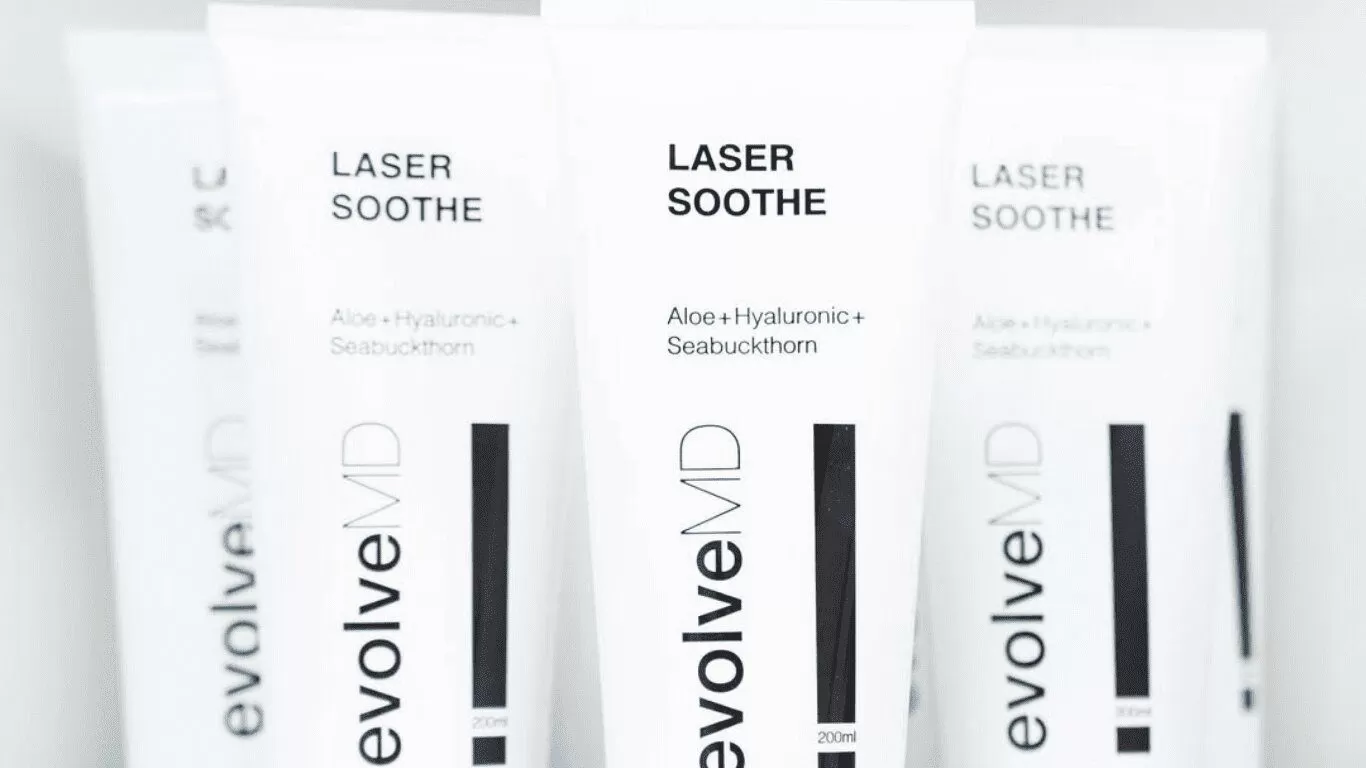
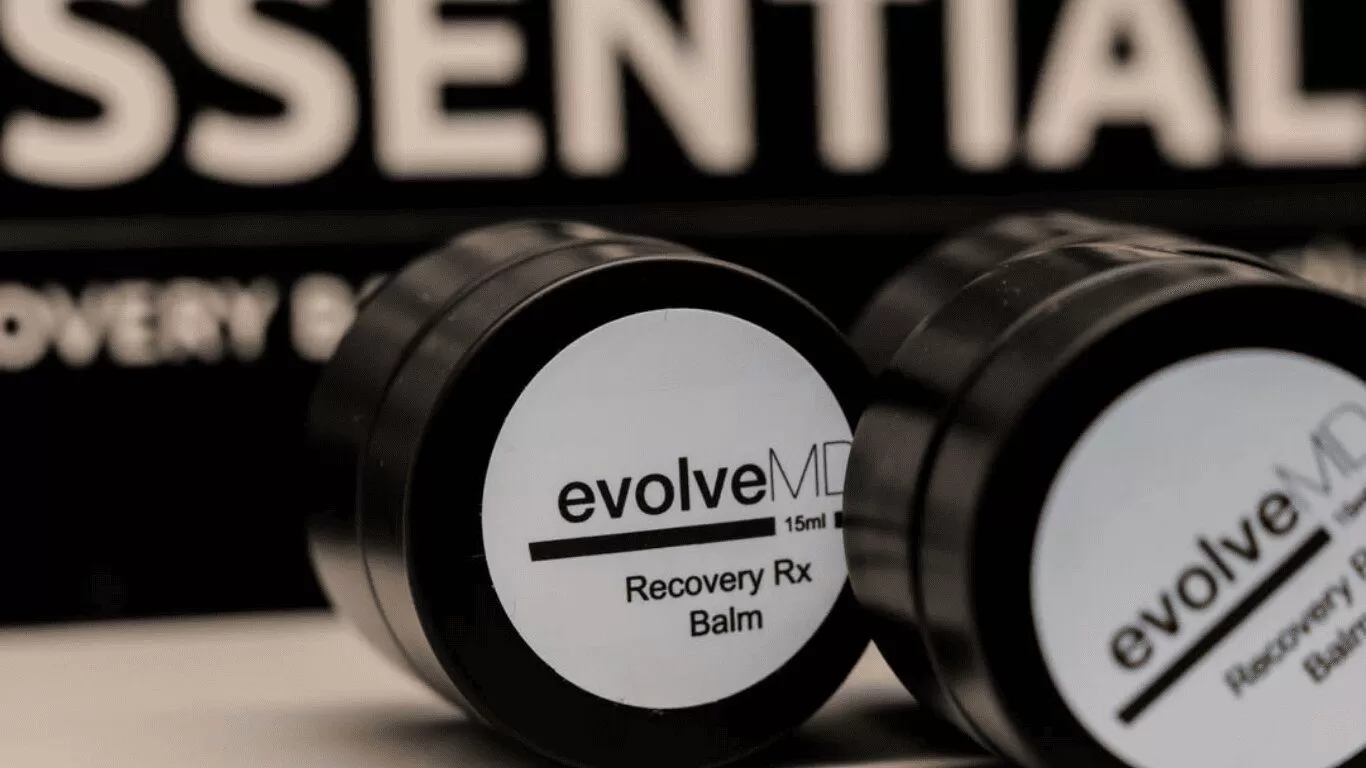
For soothing support, evolveMD Laser Soothe can help calm inflamed and irritated skin, while evolveMD Recovery Balm provides antioxidant-rich hydration and forms a breathable protective layer to reduce moisture loss.
Sunburn Face Treatment at Home: Days 2–7
After the intense redness settles, the focus shifts to repair.
A simple routine works best:
Gentle cleanser
Use a mild formula that won’t strip the skin. evolveMD Daily Cleansing Gel contains gentle AHAs, Organic Aloe and Vitamin B5 to remove impurities while keeping skin hydrated and soothed, suitable for normal, dry and sensitive skin.
Barrier-repair moisturiser
Continue using Laser Soothe or Recovery Balm on dry or sensitive areas as needed.
Strict sun protection
Broad-spectrum SPF is non-negotiable. evolveMD UV Sun Protection uses Zinc Oxide and Titanium Dioxide for physical sun reflection, supported by Niacinamide and Resveratrol to help protect stressed skin.
Peeling may occur. Let it shed naturally. Picking or pulling at flaking skin can increase pigmentation risk and delay healing.
Common Mistakes That Slow Sunburn Recovery
Many people unintentionally make sunburn worse.
Avoid:
- Restarting active skincare too soon
- Using exfoliants to “remove” peeling skin
- Applying fragranced body lotions to the face
- Booking facials too early
- Scrubbing or using cleansing brushes
Your skin needs time to stabilise. Over-treating prolongs inflammation.
Clinic Treatments vs At-Home Care
Most mild facial sunburn cases can be managed with proper sunburn treatment at home.
However, professional support may be beneficial if:
- Redness persists beyond 1–2 weeks
- Pigmentation develops
- Texture changes occur
- You notice patchy discolouration
- You are prone to melasma
This is where clinical assessment becomes valuable.
When Is It Safe to Book Clinic Treatments?
You should not book treatment while the skin is:
- Red and hot
- Peeling actively
- Sensitive to touch
- Inflamed
A general rule: wait until the skin has fully healed and feels normal again.
Signs your skin is ready:
- No tenderness
- No visible peeling
- No residual heat
- Barrier feels stable
If unsure, a professional assessment can guide you.
Clinic Options After Sunburn (Once Healed)
Once the skin has recovered, concerns such as redness, pigmentation or uneven texture may remain.
At Evolution Laser Clinic, treatment recommendations are tailored based on individual assessment.
Skin Assessment First
A free consultation using our advanced Skin Scanner allows us to assess underlying pigmentation and skin health.
You can learn more here:
https://www.evolutionlaser.com.au/skin-treatments/skin-scanner/
Persistent Redness or Texture Changes
For lingering redness or uneven skin tone, Laser Rejuvenation may be considered once the skin is stable.
This treatment supports overall skin clarity and visible tone improvement.
More information here:
https://www.evolutionlaser.com.au/skin-treatments/laser-rejuvenation/
Post-Sun Pigmentation
Sunburn can trigger pigmentation changes.
Options may include:
For advanced laser technology, PicoWay® is designed to address epidermal pigmentation and discolouration with minimal heat delivery.
Because it emits less heat than traditional lasers, PicoWay® can provide a more comfortable treatment experience once the skin has healed.
Final Thoughts
Facial sunburn recovery isn’t about rushing to fix the damage. It’s about calming inflammation first, protecting the skin barrier and allowing time for proper healing.
Most cases can be managed with simple, supportive sunburn recovery tips at home. However, if pigmentation, redness or uneven texture develops, professional assessment can help guide your next steps safely.
If you’re unsure whether your skin is ready for treatment or need support after sunburn, book a consultation with our team. We’ll assess your skin carefully and recommend a plan tailored to your recovery.