There’s more than one way to achieve smoother, more even-looking skin. Microneedling and microdermabrasion are two popular treatment options, but they take very different approaches to improving the look and feel of the skin. In this guide, Evolution Laser Clinic breaks down the differences between microdermabrasion vs skin needling and how to determine which treatment is better aligned with your needs.
What is microdermabrasion?
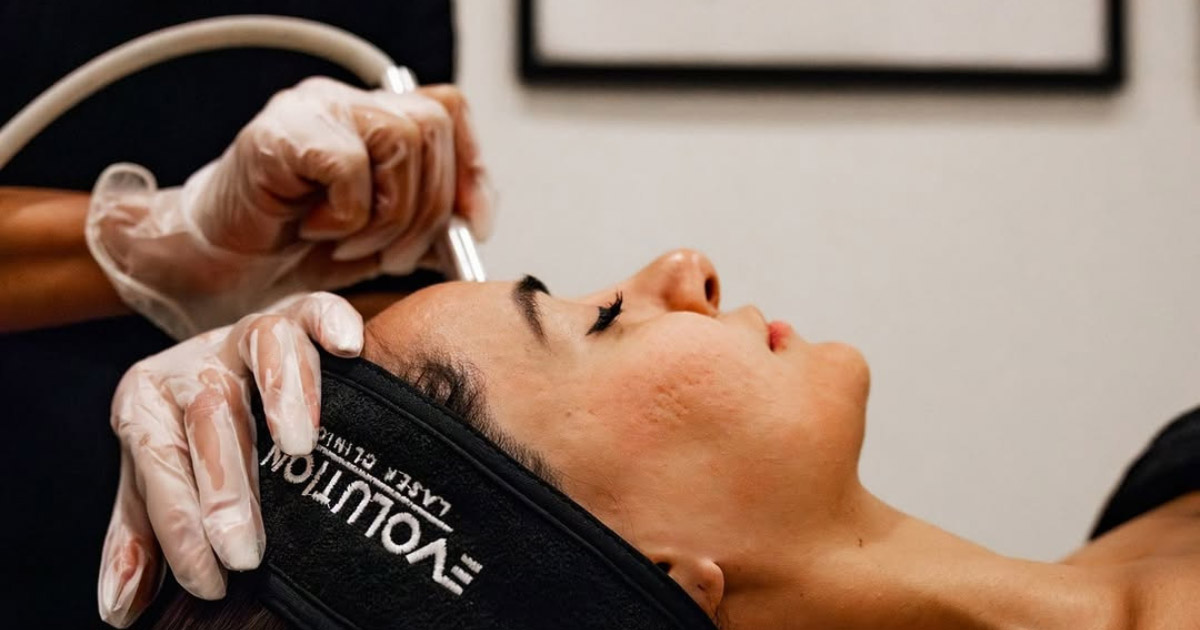
Microdermabrasion is a non-invasive exfoliating technique that eliminates built-up dead skin cells. At Evolution Laser Clinic, a diamond-tip applicator is gently passed over the treatment area while suction helps lift away loosened skin cells and debris. An express treatment may take around 10 minutes, while a more comprehensive session can take around 20–30 minutes and involve a deeper cleanse.
By working on the outermost layers of the skin, microdermabrasion can help minimise the appearance of dullness, rough texture and photoageing skin. It generally involves minimal downtime, making it a viable option for those looking for regular exfoliation and a fresher-looking complexion.
What is skin needling?
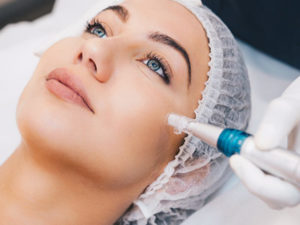
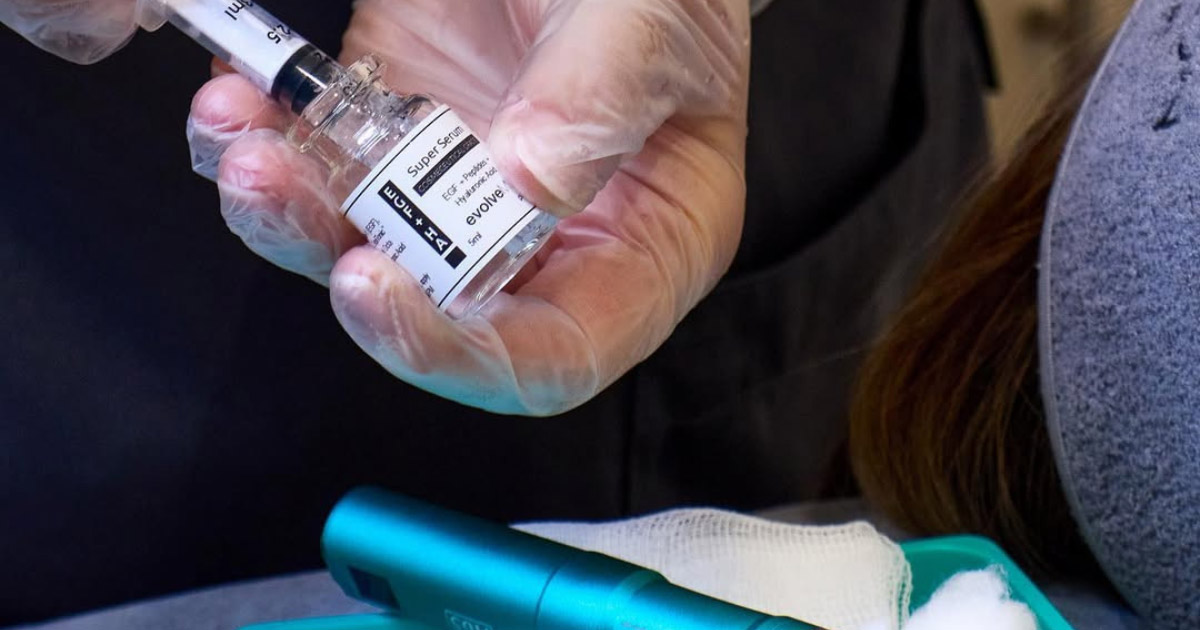
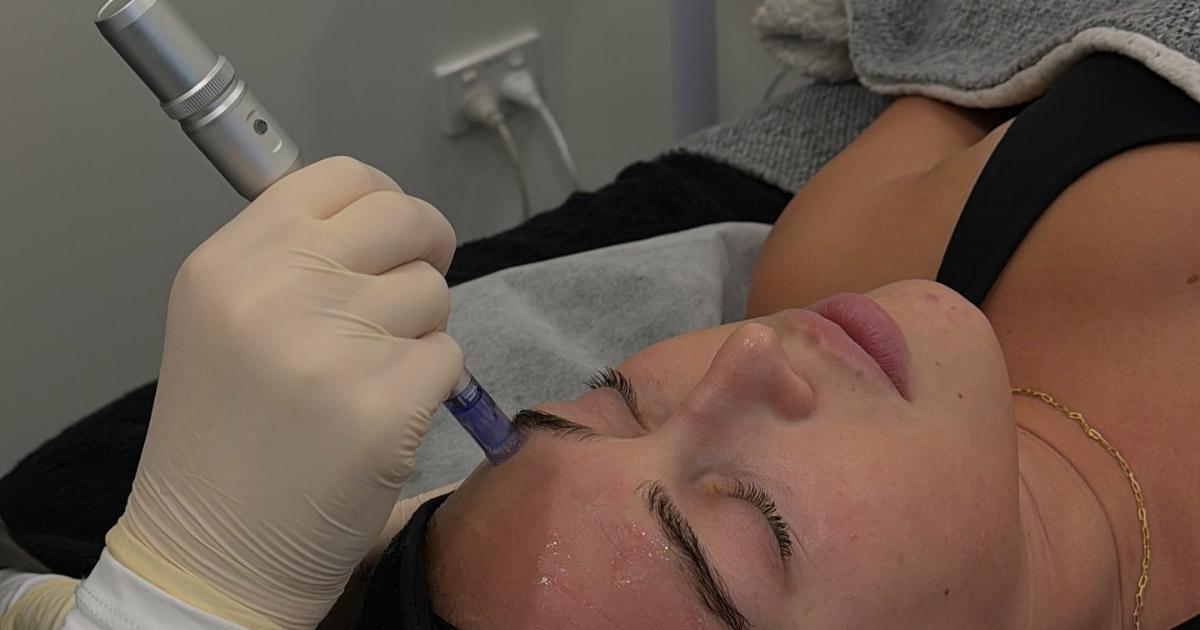
Skin needling, also known as microneedling, is a minimally invasive treatment that uses ultra-fine needles to create controlled micro-channels in the skin. These micro-injuries trigger the skin’s natural repair response, which can help support collagen production and gradual skin renewal. The depth of treatment can also be adjusted based on individual skin issues.
A typical skin needling appointment may take around 30–45 minutes, depending on the problem area. The adjustable needle depth also allows different areas of the face to be approached with greater precision, including around the nose, lips and under-eye area.
Key differences
Microdermabrasion works by polishing away dead skin cells at the surface, while skin needling involves creating tiny channels that encourage gradual rejuvenation. This difference can influence everything from the concerns each treatment may suit to how much downtime you can expect and how quickly changes become visible.
Downtime
After microdermabrasion, you may notice some temporary redness, swelling or sensitivity, but most people can return to their usual day soon after treatment. Because the skin may be more delicate, you’ll need to take a little extra care afterwards. This can include avoiding makeup for the first 24 hours, steering clear of hot showers and vigorous exercise for 24–48 hours and pausing active skincare ingredients such as retinol, AHAs and BHAs for a few days.
Skin needling can involve more noticeable after-effects. Redness, tightness and sensitivity are common shortly after treatment, with dryness, flaking or mild shedding sometimes developing over the following days. Some people may also experience pinpoint bleeding, light bruising or temporary breakouts. Less common risks can include prolonged irritation, infection or changes in pigmentation.
Aftercare for both treatments follows some of the same principles, although skin needling may require additional precautions while the micro-channels heal. You may be advised to wait several hours before cleansing the treated area, avoid picking or scratching if peeling develops and delay returning to your usual skincare routine until the skin has settled. Extra care with sun exposure is also important during this period. Your therapist will provide instructions based on the treatment performed and how your skin responds.
Results timeline
After microdermabrasion, the skin may feel smoother and appear more refreshed. Skin affected by surface build-up, textural irregularities or a lack of radiance may benefit from a series of sessions over time. Treatments are often spaced around 2–4 weeks apart, with noticeable changes commonly developing across a course of around 3–6 sessions.
Skin needling tends to have a more gradual results timeline. Some may appear around a week after treatment, while the skin’s renewal response can continue developing over the following weeks. Results may continue to improve for up to three months after treatment, depending on the individual, the concern being addressed and the treatment plan.
Best for
The best skin treatment for texture will be guided by your cosmetic goals and suitability. Microdermabrasion may be appropriate if you want to address dryness and flakiness while helping the skin look clear and glowing. Skin needling may be considered for uneven texture, enlarged-looking pores, fine lines and the appearance of certain types of scarring.
Which treatment should you choose?
Choosing between microdermabrasion vs skin needling comes down to your target outcomes. It is also worth considering what kind of treatment experience fits into your routine. For example, you may prefer an option with a lighter recovery period, or you may be comfortable allowing additional time for your skin to settle after treatment.
If your concerns overlap, a skin assessment can help. During your initial consultation, your therapist will take a closer look at your skin’s overall condition and factor in your medical profile and treatment history. Once suitability has been established, they will create a treatment plan that reflects your priorities.
Experience Evolution Laser’s best skin treatments for texture
Not sure whether your skin needs a surface refresh or a deeper renewal approach? That’s where a personalised consultation can make the difference. With more than 20 years of experience in professional skin treatments, the team at Evolution Laser Clinic can help you find an approach that fits your skin. Book a complimentary consultation today.
Disclaimer: This content is provided for general information only and is not a substitute for professional medical advice, diagnosis or treatment. Speak with a qualified practitioner before starting any new health, wellness or therapeutic product or treatment. Individual experiences and results may vary.