Skincare ingredients can sometimes feel overwhelming. From acids to antioxidants, it’s not always clear what each ingredient actually does or whether you need it.
Peptides are one of those ingredients you’ll often see in professional skincare and treatments. They might sound complex, but their role in the skin is surprisingly simple.
They help support how your skin repairs, maintains structure and stays balanced over time.
What Are Peptides?
Peptides are short chains of amino acids, which are the building blocks of proteins in your skin.
These proteins include collagen and elastin, which help keep your skin looking smooth, firm and healthy.
Think of peptides as messengers. They help “tell” your skin what it needs to do whether that’s maintaining structure, staying hydrated or supporting its natural repair process.

What Do Peptides Do for the Skin?
In skincare, peptides are used to support the skin rather than aggressively change it.
They are often included in formulas designed to help:
- support skin firmness and elasticity
- improve overall skin texture
- maintain hydration
- support skin recovery after treatments
Recent research continues to support their role in skin health. A 2024 review on peptide-based skincare found that certain peptides can help support collagen production and improve overall skin appearance when used consistently over time.
Because peptides work in a supportive way, they are generally well-tolerated by most skin types, including sensitive or reactive skin. This makes them a common ingredient in both daily skincare and post-treatment routines.
Peptides in Skincare: Why They’re Often Used Together
Peptides are everywhere in skincare right now and some have become so popular that people are actively searching for advanced peptide treatments and skin-repair ingredients online.
The reason? Certain peptides are known for helping support smoother, firmer and healthier-looking skin without relying on overly harsh approaches.
In professional skincare, different peptides are combined because each one supports the skin differently. Rather than focusing on just one concern, multi-peptide formulas are designed to support overall skin quality, hydration and resilience at the same time.
Across evolveMD products and Evolution skin treatments, a range of peptides are used to target common skin concerns.
For example:
- Palmitoyl Oligopeptide and Palmitoyl Tetrapeptide-7 are commonly used to help support firmer, more resilient-looking skin
- Acetyl Octapeptide-3 is often included in formulas focused on smoothing the appearance of fine lines and expression areas
- Tetrapeptide-30 is used in products targeting uneven skin tone and visible pigmentation concerns
One of the most talked-about peptide technologies is sh-Oligopeptide, also known as EGF (Epidermal Growth Factor). EGF is associated with supporting the skin’s natural renewal process and is often used in professional skincare focused on skin recovery, hydration and maintaining healthy-looking skin.

How Peptides Support Skin After Treatments
Your skin goes through a natural repair process every day, and this becomes even more important after professional treatments.
Peptides are often used to support the skin during this time, helping maintain hydration and overall skin condition.
At Evolution Laser Clinic, peptides may be incorporated into:
- skin peels (as part of selected infusion steps)
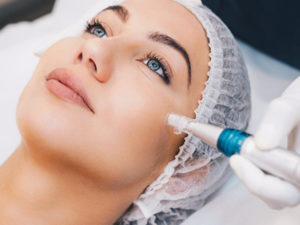
- skin needling and derma stamp treatments
- professional serums, such as evolveMD Super Serum, used as an add-on to support skin recovery
These treatments work by stimulating the skin, so supporting the skin afterwards is just as important as the treatment itself.
How to Use Peptides in Your Routine
Peptides are easy to include in your routine because they are gentle and work well with most skin types.
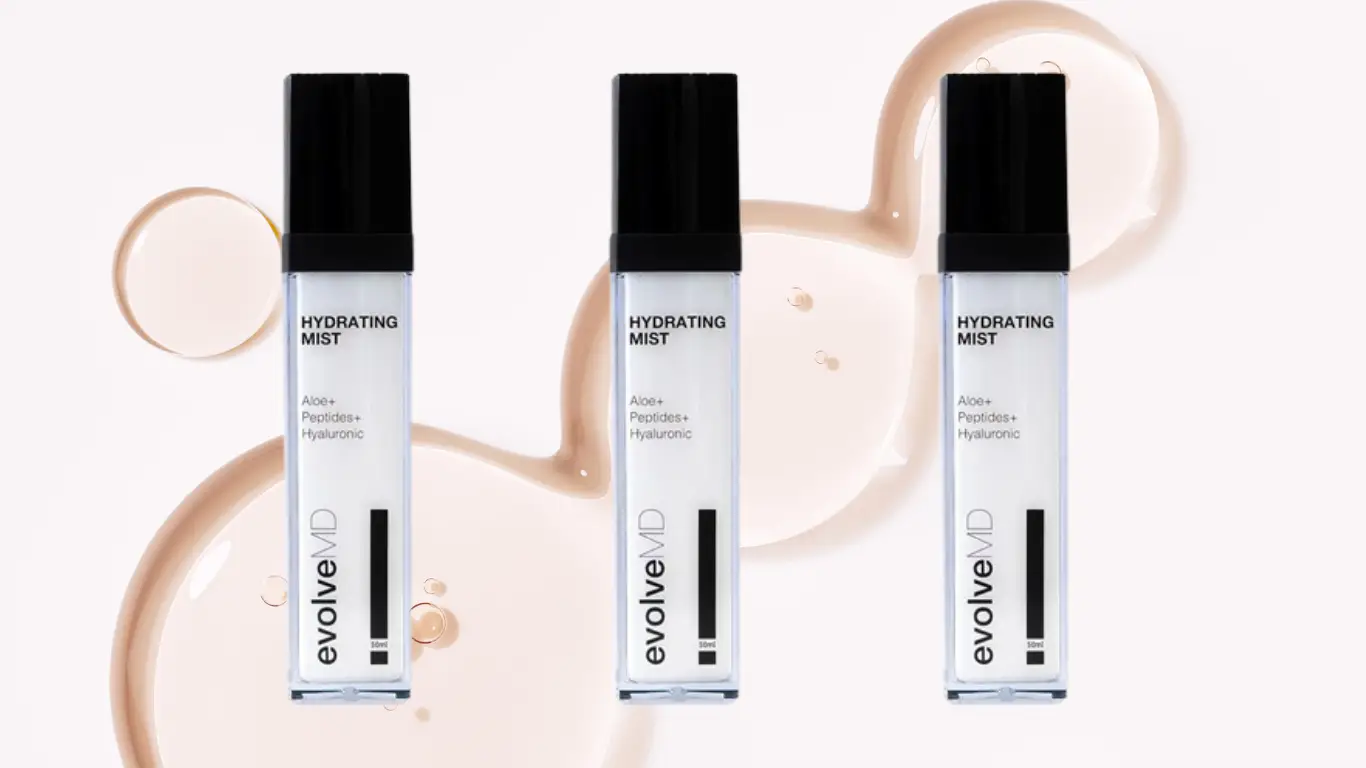
Within evolveMD, peptides are used across a range of products, particularly in serums such as Super Serum, Pro Collagen Serum and Cell Renewal+, as well as in everyday support products like the Hydrating Mist and Eye Cream.
They are typically applied after cleansing and before moisturiser, and can be used both morning and night as part of a consistent routine.
Because peptides support the skin rather than irritate it, they fit easily into most routines and are often used both for daily maintenance and to support the skin after professional treatments.
Choosing the Right Peptides for Your Skin
Not all skin is the same, so the best approach depends on your individual concerns.
If your focus is hydration, skin support or maintaining overall skin quality, peptides can be a useful addition to your routine. If you’re having treatments, peptides are often used to support your skin during the recovery process.
Rather than following trends, it’s always better to choose what works for your skin. If you’re not sure what’s best for you, you can book a free skin scan and consultation with our team, where we’ll assess your skin and recommend a personalised approach.